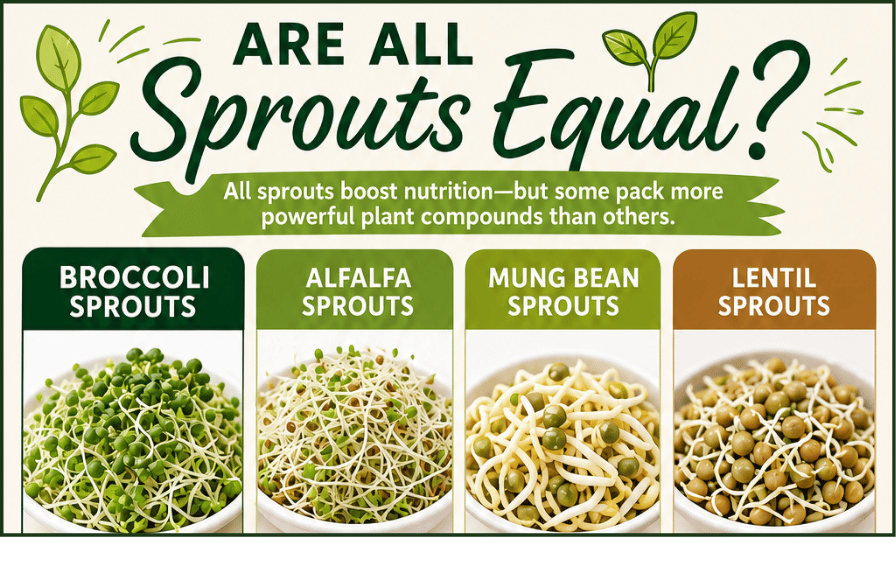
Tiny foods. Big nutrition. But not all sprouts are created equal.
If you’ve ever walked past a package of sprouts in the grocery store, you may have wondered…
“Aren’t they basically all the same?”
Not quite. All sprouts are nutritious, but each type has its own strengths. Some are protein powerhouses. Others are loaded with antioxidants. And one, in particular, has become famous among nutrition researchers.
Let’s take a closer look.
First, Why Are Sprouts So Healthy?
When a seed begins to sprout, something remarkable happens. Dormant nutrients become active.
During germination, many sprouts:
- Increase certain vitamins
- Produce more antioxidant compounds
- Become easier to digest
- Reduce phytic acid, improving mineral absorption
- Activate natural enzymes that help the young plant grow
That’s why sprouts are often considered one of nature’s most nutrient-dense foods.
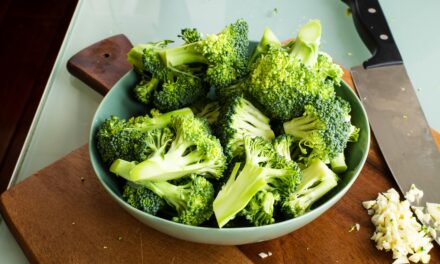
Broccoli Sprouts: The Phytonutrient Powerhouse
If sprouts had a superstar, broccoli sprouts would probably wear the crown. Their claim to fame isn’t protein or vitamins. It’s sulforaphane.
Sulforaphane is produced when broccoli sprouts are chopped or chewed. (See my post on the Hack and Hold method ) It has been extensively studied for its ability to activate the body’s own protective antioxidant and detoxification systems.
Research suggests sulforaphane may help support:
- Healthy inflammatory responses
- Cellular protection from oxidative stress
- Cardiovascular health
- Brain health
- Normal detoxification pathways
Young broccoli sprouts can contain 20–50 times more glucoraphanin (the precursor to sulforaphane) than mature broccoli by weight, making them one of the richest dietary sources available.
Nutritional Highlights of Broccoli Sprouts
- Sulforaphane precursor (glucoraphanin)
- Vitamin C
- Vitamin K
- Folate
- Potassium
- Calcium
- Magnesium
- Fiber
- Antioxidants
Best for: Anyone looking to maximize protective plant compounds.
Alfalfa Sprouts: Light, Fresh, and Full of Plant Compounds
Alfalfa sprouts are probably the sprouts most people recognize. I know that was the very first sprout I tried back in the late 80s. It was a staple of my veggie sandwich. They’re mild, crunchy, and easy to add to sandwiches and salads.
Unlike broccoli sprouts, alfalfa’s strength comes from different plant compounds. They naturally contain:
- Saponins
- Flavonoids
- Phytoestrogens (plant compounds that can interact with estrogen receptors)
- Vitamin K
- Vitamin C
These compounds have been studied for supporting:
- Heart health
- Healthy cholesterol levels
- Antioxidant defenses
Their mild flavor and light texture makes them one of the easiest sprouts to enjoy every day.
Best for: Everyday salads, wraps, and sandwiches.
Mung Bean Sprouts: The Crunchy Classic
If you’ve ordered stir-fry or pho, you’ve probably eaten mung bean sprouts. These crunchy sprouts are especially valued for their:
- Vitamin C
- Phenolic antioxidants
- Potassium
- Fiber
- Hydration (they’re mostly water)
Sprouting also improves protein digestibility compared with dry mung beans.
They’re refreshing, inexpensive, and versatile.
Best for: Stir-fries, soups, salads, and fresh spring rolls.
Lentil Sprouts: Small but Filling
Lentil sprouts don’t get as much attention—but they deserve it.
Compared with many other sprouts, lentil sprouts provide:
- More protein
- More iron
- More fiber
- Folate
- Potassium
They’re hearty enough to become part of a meal instead of simply a garnish.
Best for: Grain bowls, salads, wraps, and meal prep.
So… Which Sprout Is the Healthiest?
There’s no single winner. Although because of the protective phytonutrients in Broccoli, it’s up there in the list. But really, each sprout offers something unique.
| Sprout | Best Known For |
|---|---|
| 🥦 Broccoli | Sulforaphane & protective phytonutrients |
| 🌿 Alfalfa | Everyday antioxidants & phytoestrogens |
| 🌱 Mung Bean | Vitamin C & easy digestion |
| 🌾 Lentil | Protein, fiber & iron |
Think of them as a team instead of competitors.
Eating a variety gives you a wider range of beneficial nutrients and plant compounds.
Can You Grow Them Yourself?
Absolutely. One of the best things about sprouts is how little you need to get started.
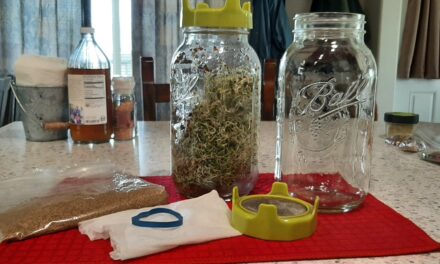
With a jar, clean water, quality sprouting seeds, and a bowl for draining, you can grow fresh sprouts on your kitchen counter in about 3–5 days, depending on the variety. Growing them yourself is inexpensive, satisfying, and gives you a fresh harvest whenever you want one. Check out this post on how to grow your own sprouts!
A Few Food Safety Tips
Because sprouts grow in warm, moist conditions, they can also provide an environment where harmful bacteria can multiply if seeds are contaminated. To reduce risk:
- Buy seeds intended specifically for sprouting.
- Rinse sprouts thoroughly.
- Use clean jars and equipment.
- Refrigerate finished sprouts promptly.
- If you’re pregnant, immunocompromised, or an older adult, consider cooking sprouts before eating them.

Final Thoughts
Nutrition research is always evolving. While broccoli sprouts have been widely studied for their unique phytonutrients, no single food is a magic bullet for health. A balanced diet filled with a variety of fruits, vegetables, whole grains, legumes, nuts, seeds, and other minimally processed foods provides the widest range of nutrients and protective plant compounds.
If you’re curious about the science behind sprouts and their health benefits, these trusted resources are a great place to start.
Keep Learning
If you’re curious about the science behind sprouts and their health benefits, these trusted resources are a great place to start. Check out the sources below from peer-reviewed research, trusted health institutions, or other evidence-based articles:
Broccoli Sprouts & Sulforaphane
National Center for Complementary and Integrative Health (NCCIH)
Cruciferous vegetables and compounds such as sulforaphane are an active area of nutrition research.
https://www.nccih.nih.gov/
Johns Hopkins Medicine
The pioneering research on broccoli sprouts and sulforaphane began at Johns Hopkins, where scientists discovered the unusually high concentration of glucoraphanin in young broccoli sprouts.
https://www.hopkinsmedicine.org/
Fahey JW, Zhang Y, & Talalay P. (1997).
Broccoli sprouts: An exceptionally rich source of inducers of enzymes that protect against chemical carcinogens.
Proceedings of the National Academy of Sciences, 94(19), 10367–10372.
https://doi.org/10.1073/pnas.94.19.10367
General Nutrition & Sprouting
Harvard T.H. Chan School of Public Health
Nutrition information on vegetables, plant-based eating, and healthy dietary patterns.
https://www.hsph.harvard.edu/nutritionsource/
USDA FoodData Central
Nutrition facts for sprouts and thousands of other foods.
https://fdc.nal.usda.gov/
Academy of Nutrition and Dietetics
Evidence-based healthy eating guidance.
https://www.eatright.org/
Food Safety
U.S. Food & Drug Administration (FDA)
Raw sprouts can carry harmful bacteria because of the warm, moist conditions needed for germination. The FDA provides guidance on reducing risk.
https://www.fda.gov/food
Centers for Disease Control and Prevention (CDC)
Food safety recommendations and advice for people at higher risk of foodborne illness.
https://www.cdc.gov/food-safety/