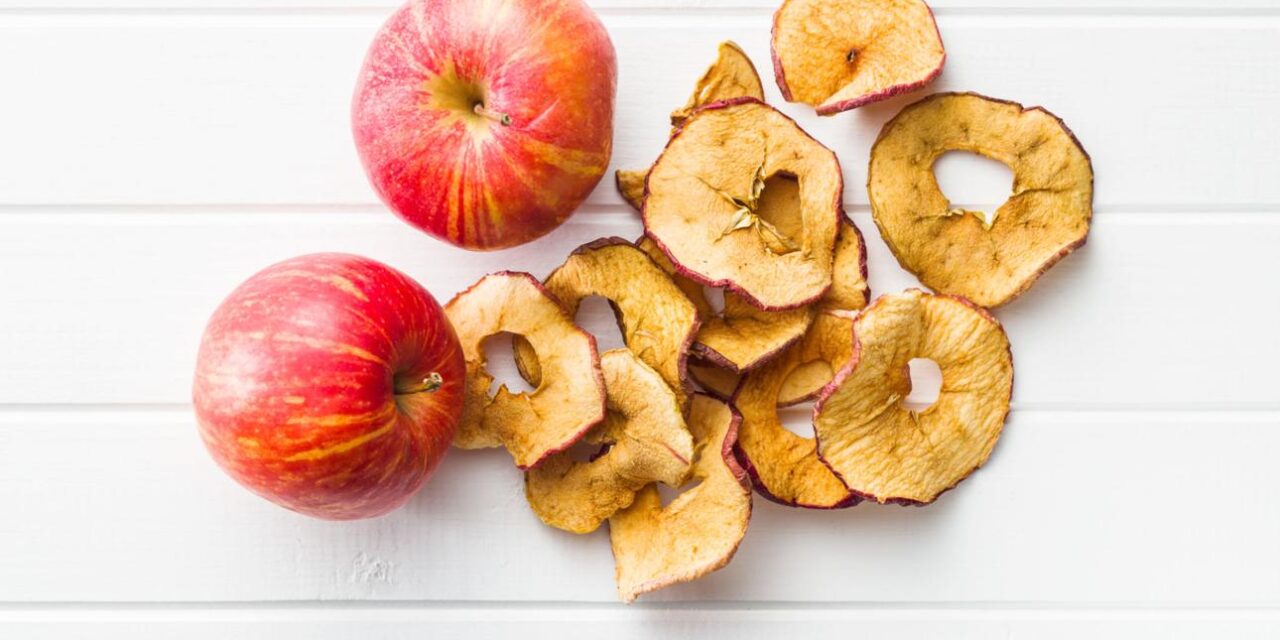
The Simple Guide to Dehydrating Apples | Part 1 – Nutrition
Fresh apples are full of goodness, but what happens when we remove most of their water? Do they lose their vitamins? Does their sugar content increase? And are those delicious little dried apple slices still a healthy snack?
Recently, I picked a bucket of apples from a friend’s tree and decided to dehydrate them. While preparing all those apple slices, I started wondering how much of their original nutrition would remain after drying.
As it turns out, dehydrating changes some things, preserves others, and makes certain nutrients more concentrated.
Let’s take a closer look.
First, What’s So Good About Apples?
Apples are a source of dietary fiber, vitamin C, potassium, and naturally occurring plant compounds called polyphenols.
A medium apple with its skin (approximately 182 grams) provides:
| Nutrient | Approximate Amount |
|---|---|
| Calories | 95 |
| Carbohydrates | 25 g |
| Dietary fiber | 4.4 g |
| Natural sugars | 19 g |
| Vitamin C | 8.4 mg |
| Potassium | 195 mg |
| Vitamin K | 4 mcg |
| Vitamin B6 | 0.075 mg |
Apples also contain smaller amounts of vitamin E, magnesium, copper, and other nutrients. 1
Two particularly interesting components are:
Pectin: A type of soluble fiber that supports digestive health and can help maintain healthy cholesterol levels.
Polyphenols: Naturally occurring plant compounds with antioxidant properties. Apples contain several, including quercetin, catechins, and chlorogenic acid.
Many beneficial apple compounds are found in or near the skin, so keeping the peel on is a good way to retain more of the fruit’s original nutritional value.
What Actually Happens When You Dehydrate an Apple?
Here’s something interesting: Fresh apples are approximately 85% water.
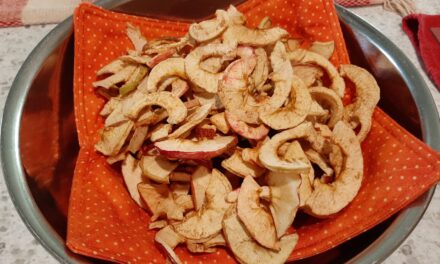
When you dehydrate them, you’re removing most of that moisture, leaving behind a much smaller, lighter, and more concentrated piece of fruit.
Most of the natural sugars remain. So do much of the fiber and minerals.
But some vitamins and plant compounds are more sensitive to the drying process.
The result is a food that still contains valuable nutrients, although its nutritional profile isn’t identical to that of a fresh apple.
Which Nutrients Survive Dehydration?
The good news is that several important nutritional components hold up relatively well during drying.
Fiber: Most of an apple’s dietary fiber remains. Removing water doesn’t simply remove the fiber along with it.
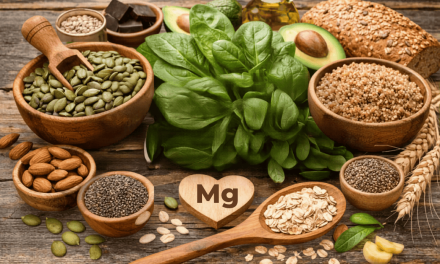
Minerals: Potassium, magnesium, calcium, and iron are generally stable during ordinary dehydration. Unlike some vitamins, minerals aren’t destroyed by heat.
Natural sugars and carbohydrates: These remain in the fruit, becoming more concentrated as water disappears.
However, nutrient retention can vary depending on preparation, temperature, drying time, and storage conditions.

Which Nutrients Can Be Lost During Dehydration?
This is where things get especially interesting.
Vitamin C: One of the More Vulnerable Nutrients
Vitamin C is sensitive to heat and oxygen, making it particularly susceptible to losses during dehydration.
A 2023 study examined Fuji apple slices dried using a home dehydrator.
Researchers found that vitamin C losses ranged from approximately 28% to 55%, depending on drying temperature and the amount of fruit loaded into the dehydrator.
Higher temperatures generally produced greater vitamin C losses under the conditions tested.
This doesn’t mean every dehydrated apple loses exactly that amount. It illustrates how drying conditions influence the nutritional quality of the finished fruit.
What About Other Vitamins?
Some B vitamins, including thiamin and folate, are also sensitive to certain processing conditions.
Their retention varies with the food, drying method, temperature, and exposure time.
Apples contain relatively small amounts of these vitamins to begin with, so vitamin C and polyphenols are especially interesting when discussing the nutritional changes that occur during apple dehydration.
Do Apples Lose Their Antioxidants?
Not entirely!
Apples contain polyphenols, which are naturally occurring plant compounds associated with antioxidant activity.
Some are sensitive to heat and oxidation, but others remain after drying.
Research has found that different drying methods can produce different results. Some methods preserve certain polyphenols better than others.
In other words, dehydrating doesn’t eliminate all the beneficial plant compounds in apples. It changes their amounts and sometimes their chemical forms.
Do Dehydrated Apples Have More Sugar Than Fresh Apples?
This is probably one of the most misunderstood things about dried fruit.
Dehydrating doesn’t create additional sugar. It removes water.
Imagine eating one fresh apple.
Now imagine slicing and dehydrating that same apple until it fits into a small handful of dried pieces.
Assuming nothing is added and allowing for ordinary processing losses, you’re still eating approximately the same amount of natural sugar that was in the original apple.
The difference is that it takes up much less space.
This makes dried apples easy to eat in larger quantities without realizing it.
For example, you might comfortably eat the dried equivalent of two or three apples in one sitting, even though you wouldn’t normally eat three fresh apples as a snack.
That’s why dried fruit has more calories and sugar per ounce than fresh fruit.
It isn’t automatically less healthy. It’s simply more concentrated. So go easy!
Fresh vs. Dehydrated Apples: Which Is Better?
Both have something to offer.
| Fresh Apples | Dehydrated Apples |
|---|---|
| High water content | Most water removed |
| Retain original vitamin C | Some vitamin C may be lost |
| Provide dietary fiber | Retain much of their fiber |
| Larger volume per serving | More concentrated |
| Naturally sweet | Sweeter-tasting |
| Shorter storage life | Longer storage life when properly dried |
Fresh apples are wonderful for hydration, fiber, and enjoying the fruit in its original form.
Dehydrated apples are convenient, portable, naturally sweet, and a useful way to preserve an abundant harvest.
You don’t have to choose one over the other!
A Few Ways to Get More From Your Dried Apples
If you’re dehydrating apples at home, a few simple choices can help you make the most of them.
- Keep the peel on when practical.
- Start with fresh, good-quality apples.
- Avoid unnecessarily prolonged exposure to heat and air.
- Store the finished fruit properly to help protect its quality.
And remember, you don’t need to add sugar to make dehydrated apples delicious. Their natural sweetness becomes more noticeable as their water content decreases. Adding a bit of cinnamon and nutmeg adds a warm flavor – great for breaking into a bowl of oatmeal.

Final Thoughts: Dehydrating apples is a trade-off, but a pretty useful one
We may lose some vitamin C and certain plant compounds during the drying process, but we retain much of the fiber, minerals, and natural goodness of the original fruit.
And perhaps one of the biggest benefits is simply being able to enjoy apples that might otherwise have gone to waste.
That bucket of apples from my friend’s tree can become months of homemade snacks and toppings for my oatmeal instead of fruit that spoils before I have a chance to eat it.
Sometimes preserving good food is a healthy habit all by itself.
Small discoveries. Better days.
Keep Exploring
Coming up Next in the series:
Part 2: How to Dehydrate Apples at Home — An Easy Step-by-Step Guide
Part 3: How Long Does Dehydrated Food Last? A Simple Storage Guide
Keep Learning
For deeper exploration, check out the sources below from peer-reviewed research, trusted health institutions, or other evidence-based articles:
1. U.S. Department of Agriculture. FoodData Central. https://fdc.nal.usda.gov
Used for: Nutritional information for raw apples with skin, including calories, carbohydrates, dietary fiber, natural sugars, vitamins, and minerals.
2. Monsalves, J., & Scheuermann, E. (2023). Home-Drying Operation Effect on Moisture Content, Electric Energy Consumption, Ascorbic Acid, Total Polyphenol Content, and Color of Sliced “Fuji” Apples. https://pmc.ncbi.nlm.nih.gov/articles/PMC10689070
Used for: The discussion of vitamin C losses during dehydration, the effects of drying temperature and fruit quantity, and changes in apple polyphenols. This is particularly relevant because the researchers used a home dehydrator.
3. Yuste, S., et al. (2020). Thermal and non-thermal processing of red-fleshed apple: How are (poly)phenol composition and bioavailability affected? Food & Function, 11, 10436–10447. https://doi.org/10.1039/D0FO02631J
Used for: Explaining how different drying methods affect apple polyphenols, why some antioxidant compounds are better preserved than others, and why nutrient retention depends on the processing method.
Used for: Explaining how lower drying temperatures can help preserve beneficial apple polyphenols. Researchers found that apple slices dried at 40°C (104°F) retained up to approximately 50% more of certain polyphenols than slices dried at 65°C (149°F). The study also supports the importance of pretreatment and appropriate packaging in preserving the color, flavor, and overall quality of dehydrated apples.
4. National Center for Home Food Preservation. Drying Fruits. https://nchfp.uga.edu/how/dry
Used for: General principles of food dehydration, preparation methods, moisture removal, and research-based home preservation guidance.
5. Cozzolino, R., Palumbo, M., Cefola, M., Capotorto, I., Linsalata, V., Forte, G., Petriccione, M., De Giulio, B., & Pace, B. (2022). Biochemical characterization of apple slices dried using low temperature and stored in modified atmosphere packaging. Journal of Food Composition and Analysis. https://doi.org/10.1016/j.jfca.2022.104694
Used for: Explaining how lower drying temperatures can help preserve beneficial apple polyphenols. Researchers found that apple slices dried at 40°C (104°F) retained up to approximately 50% more of certain polyphenols than slices dried at 65°C (149°F). The study also supports the importance of pretreatment and appropriate packaging in preserving the color, flavor, and overall quality of dehydrated apples.