
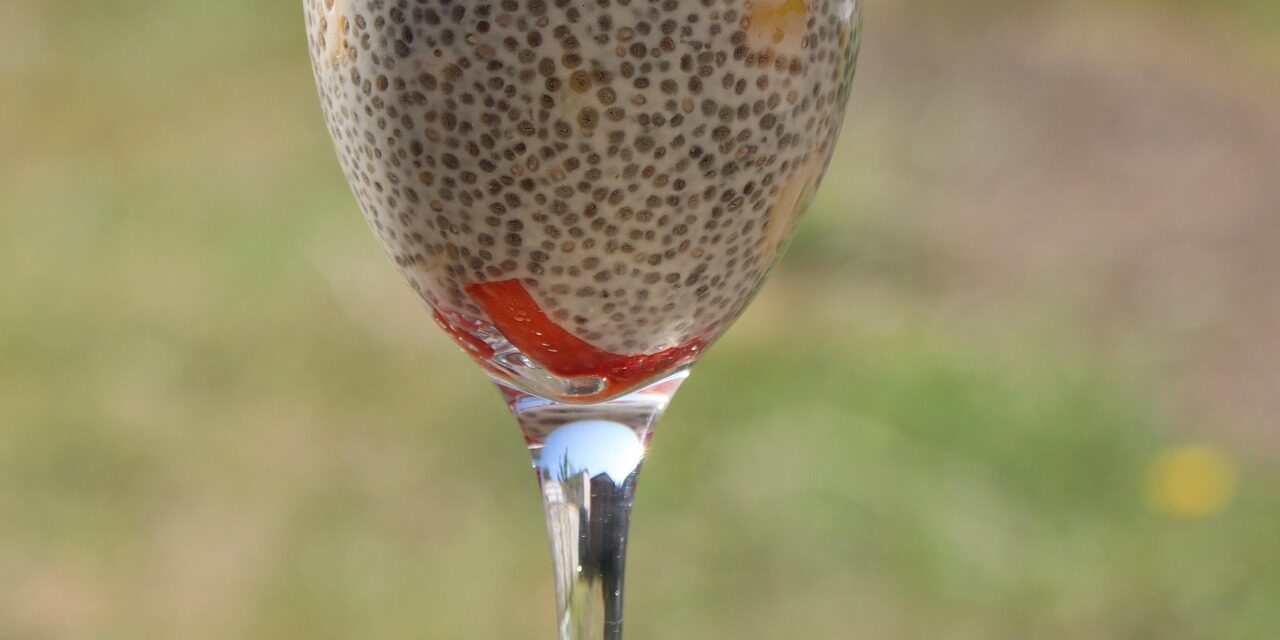
The nervous system is constantly working behind the scenes, helping regulate everything from movement and digestion to mood, sleep, and stress responses. While there is no single food that can “heal” the nervous system, a balanced diet provides many of the nutrients the body needs to support healthy nerve function and overall well-being.
Researchers continue to explore the relationship between nutrition, stress resilience, and brain health. While individual needs vary, certain nutrients appear to play important roles in maintaining a healthy nervous system.
Why Nutrition Matters
Your nervous system relies on a steady supply of nutrients to create neurotransmitters, maintain nerve cells, support energy production, and help regulate inflammation.
When nutritional needs aren’t met, the body may have a harder time coping with everyday stressors. Although food alone is rarely the complete answer, nourishing the body can be one important piece of a larger wellness puzzle.
Omega-3 Fatty Acids
Omega-3 fats are structural components of brain and nerve tissue and may help support cognitive function and emotional well-being.

Food sources include:
- Salmon
- Sardines
- Herring
- Trout
- Chia seeds
- Flaxseeds
- Walnuts
Some research suggests that higher omega-3 intake may be associated with improved mood and stress resilience.
Magnesium
Magnesium is involved in hundreds of biochemical reactions throughout the body, including those related to nerve signaling and muscle relaxation.
Food sources include:

- Pumpkin seeds
- Almonds
- Cashews
- Black beans
- Spinach
- Swiss chard
- Avocados
(Many adults do not meet recommended magnesium intake levels through diet alone. See ways to get more magnesium into your diet.)
B Vitamins
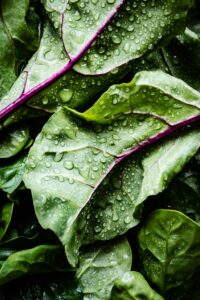
The B vitamins help convert food into energy and play important roles in nervous system function.
Key sources include:
- Eggs
- Fish
- Poultry
- Legumes
- Whole grains
- Leafy greens
- Nutritional yeast
Vitamin B12 deserves special attention because it is essential for maintaining healthy nerve cells. Individuals following vegan diets may need fortified foods or supplements to meet their needs.
Protein and Amino Acids
Protein provides amino acids, which are used to build neurotransmitters such as serotonin and dopamine.
Good protein sources include:

- Fish
- Poultry
- Eggs
- Greek yogurt
- Chickpeas (Garbanzo Beans)
- Cottage cheese
- Beans
- Lentils
- Tofu
- Tempeh
Including protein with meals may also help support more stable blood sugar levels throughout the day.
Blood Sugar Balance
Large swings in blood sugar can sometimes contribute to feelings of fatigue, irritability, or shakiness.
Many people find that balancing meals with:
- Protein
- Fiber-rich vegetables
- Healthy fats
- Whole-food carbohydrates
helps provide more steady energy throughout the day.
Hydration Matters

Even mild dehydration may affect mood, concentration, and energy levels.
Simple ways to stay hydrated include:
- Carrying a water bottle
- Eating water-rich fruits and vegetables
- Drinking fluids consistently throughout the day
Foods That Support the Gut-Brain Connection
Researchers continue to study the relationship between gut health and the nervous system.

Foods that may support a healthy gut microbiome include:
- Yogurt with live cultures
- Kefir
- Sauerkraut
- Kimchi
- Fiber-rich vegetables
- Beans and legumes
- Fruits
- Whole grains
A diverse diet rich in plant foods may help support a healthy microbial environment.
A Whole-Person Approach
Nutrition is only one aspect of nervous system support. Other important factors may include:
- Quality sleep
- Physical activity
- Time outdoors
- Stress-management practices
- Social connection
- Mindfulness and relaxation techniques
Many people also explore body-based approaches such as breathwork, somatic exercises, and nervous system regulation programs. Resources such as these provide educational content and guided practices that focus on helping individuals develop greater awareness of their stress responses and cultivate a sense of safety within the body. I’ve been using Neurotone’s program which has been very helpful to me. You can find out more about their program here: (This is the one I use – this is a commissioned link.)

Final Thoughts
Supporting your nervous system doesn’t require a perfect diet. Small, sustainable habits can add up over time. Adding more nutrient-dense foods, staying hydrated, prioritizing protein, and eating a variety of colorful plant foods are simple steps that may help support overall health and resilience.
As always, nutrition needs vary from person to person. This article is intended for educational purposes only and is not medical or nutritional advice. If you have concerns about your health, medications, or dietary needs, consult a qualified healthcare professional.
The information in this article is intended for educational purposes only and should not be considered medical, nutritional, or mental health advice. Research on nutrition and nervous system health continues to evolve. Always consult a qualified healthcare professional before making significant dietary, supplement, or lifestyle changes.
Keep Learning
For deeper exploration, check out the sources below from peer-reviewed research, trusted health institutions, or other evidence-based articles:
National Institutes of Health Office of Dietary Supplements. Magnesium Fact Sheet for Health Professionals
https://ods.od.nih.gov/factsheets/Magnesium-HealthProfessional/
National Institutes of Health Office of Dietary Supplements. Vitamin B12 Fact Sheet for Health Professionals
https://ods.od.nih.gov/factsheets/VitaminB12-HealthProfessional/
Harvard T.H. Chan School of Public Health. Omega-3 Fatty Acids
https://nutritionsource.hsph.harvard.edu/what-should-you-eat/fats-and-cholesterol/types-of-fat/omega-3-fats/
Harvard T.H. Chan School of Public Health. The Nutrition Source
https://nutritionsource.hsph.harvard.edu/
World Health Organization. Healthy Diet Fact Sheet
https://www.who.int/news-room/fact-sheets/detail/healthy-diet
National Institute of Mental Health. Caring for Your Mental Health
https://www.nimh.nih.gov/health/topics/caring-for-your-mental-health
National Center for Complementary and Integrative Health. Mind and Body Approaches for Stress
https://www.nccih.nih.gov/health/providers/digest/mind-and-body-approaches-for-stress-science
Academy of Nutrition and Dietetics. Food and Nutrition Information
https://www.eatright.org
Neurotoned. Nervous System Regulation Education and Somatic Practices
https://www.neurotoned.com
Optional Additional References for Gut-Brain Connection
Harvard Medical School. The Gut-Brain Connection
https://www.health.harvard.edu/diseases-and-conditions/the-gut-brain-connection
National Institutes of Health. Human Microbiome Research
https://commonfund.nih.gov/hmp