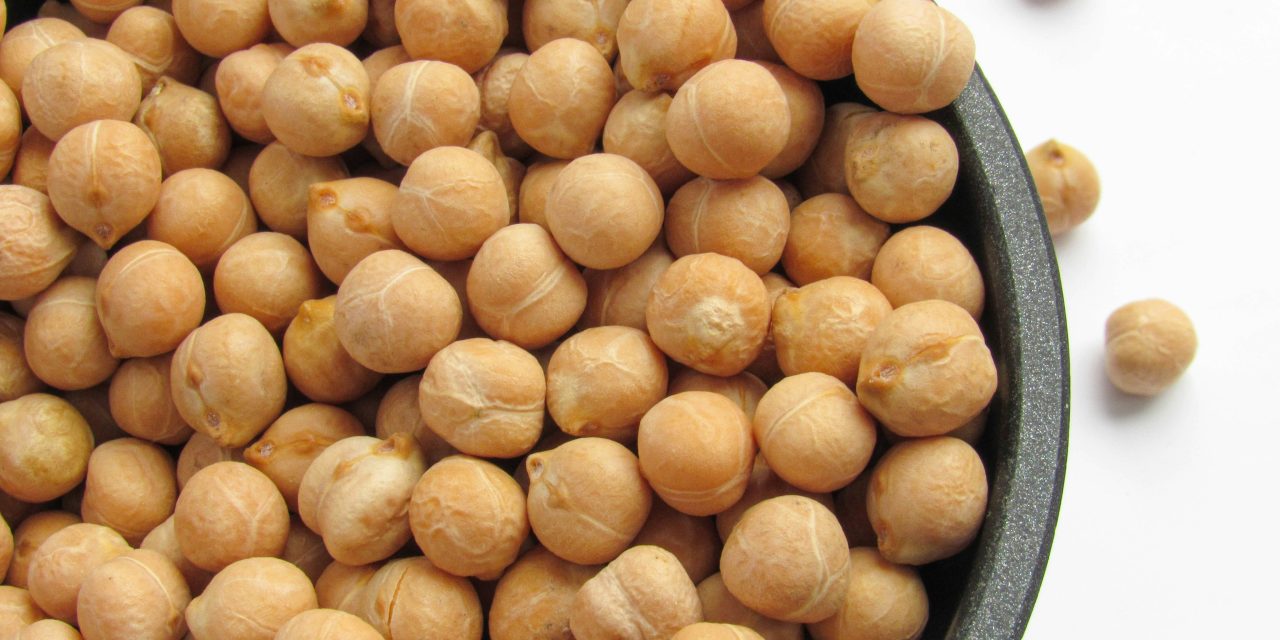
Ever wonder why chickpeas seem to show up in so many healthy recipes?
These small legumes have been nourishing people for thousands of years—and for good reason.
Chickpeas (also known as garbanzo beans) are a type of legume that originated in the Middle East and Mediterranean regions. They’ve been a staple food for over 7,000 years and remain one of the most widely consumed plant-based proteins in the world today.
Why It’s Good for You
- Heart health: Rich in soluble fiber, which may help lower LDL cholesterol.
- Blood sugar balance: Research suggests chickpeas may help moderate the rise in blood glucose after a meal, although more high-quality research is needed.
- Gut health: Provides fiber that can be utilized by gut microbes.
- Plant-based protein: They provide a substantial amount of plant-based protein along with carbohydrates and fiber. Supports muscle maintenance and satiety.
- Nutrient density: High in folate, iron, and magnesium.
Nutritional Snapshot
Per ½ cup cooked chickpeas:
- Calories: approximately 135
- Protein: approximately 7 g
- Fiber: approximately 6 g
- Iron: approximately 2 mg
- Key nutrients: Folate, iron, magnesium, potassium
Standout nutrient: Folate
Folate plays a key role in cell repair and DNA synthesis, making it especially important for overall cellular health.
How It Works in the Body
The combination of fiber and protein in chickpeas slows digestion, which helps stabilize blood sugar levels and keeps you feeling full longer. Their prebiotic fibers also support a healthy gut microbiome, which plays a role in digestion, immunity, and even mood regulation.
Did You Know?
Chickpeas were one of the earliest cultivated crops, dating back over 7,000 years in the Fertile Crescent.
Sometimes the most powerful nutrition comes from the simplest foods—chickpeas are a reminder that health doesn’t have to be complicated.
How to Use It
- Toss into salads for added protein and texture
- Blend into hummus or spreads
- Add to soups and stews for heartiness
- Roast with spices for a crunchy snack
- Mix into grain bowls or veggie dishes
When you are looking for a satisfying dip, look no further than hummus.
When blended into hummus, chickpeas:
- Provide a creamy texture thanks to their starch + fiber
- Act as a nutrient carrier for olive oil, tahini, garlic, and lemon
- Create a balanced snack with protein + healthy fats + fiber
And as promised, here is my favorite hummus recipe:
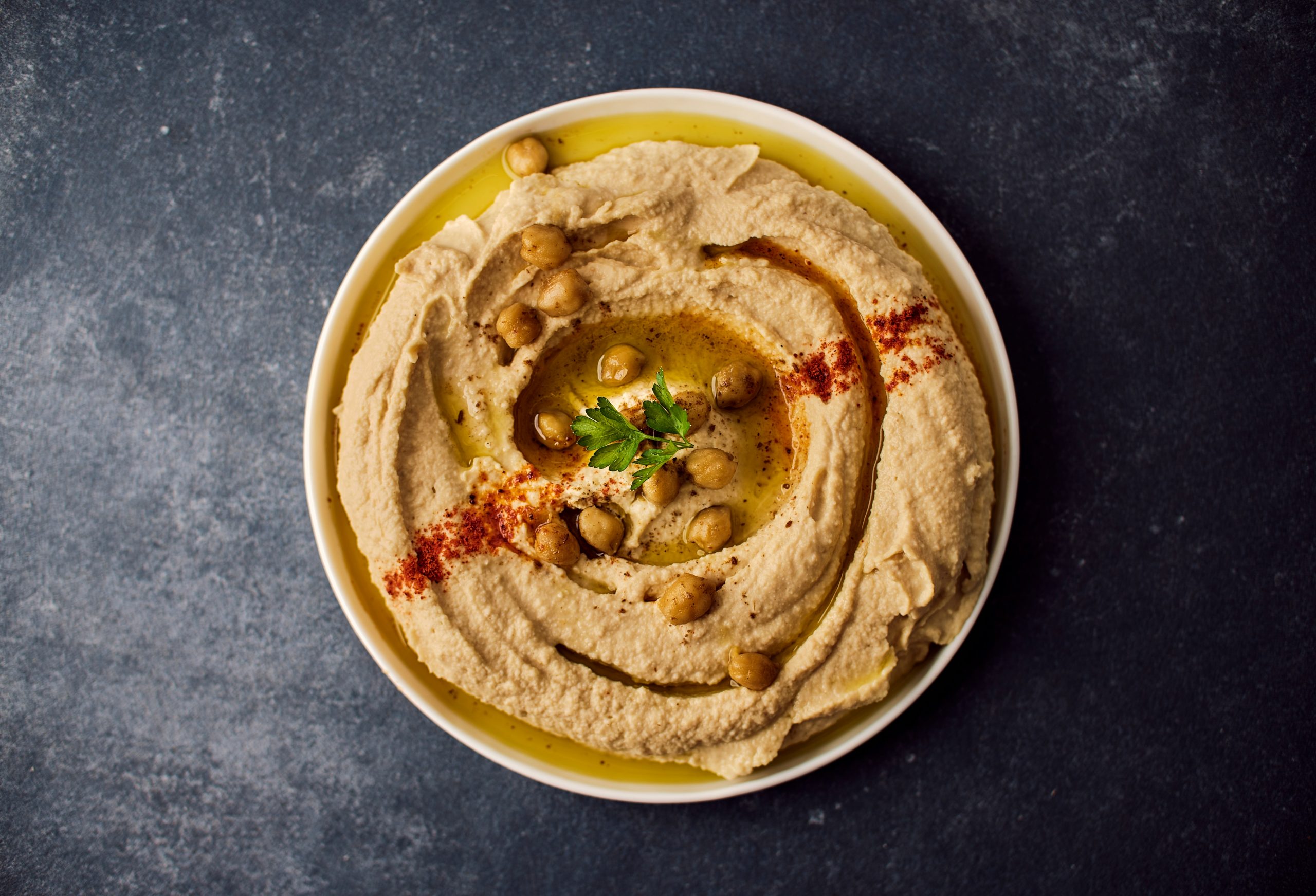
Creamy Hummus
Equipment
Ingredients
- 1/2 cup Once Again Organic Tahini
- 1/2 cup water
- 1/4 cup lemon or lime juice
- 2-3 cloves garlic
- 1 tsp salt
- 1 pinch paprika
- 2 tbsp fresh chopped Italian parsley or lemon balm
- 1 tbsp extra virgin olive oil
- 2 cups cooked or canned chick peas, drained
Instructions
- Put ingredients in a blender or food processor.
- Blend until smooth.
- Place in an airtight container and refrigerate.
Video
Recipe Notes
- Try adding a small amount, about 1/4 cup of roasted red peppers for a delicious savory hummus.
- Try using the lemon balm instead of Italian parsley. Both are good, but fresh lemon balm from the summer garden is my absolute favorite.
- Sprinkle smoked paprika on top.
- Use within 3 – 5 days or freeze for up to 3 months.
- To use after freezing, thaw completely in the refrigerator, then stir well. If the texture seems not as smooth as you would like, place in your blender and add a little drizzle of olive oil or lemon juice and blend for about 30 seconds.
Shop This Post
Other organic tahini you may like
Chickpeas aka Garbanzo Beans, canned and dried
Keep Learning
For deeper exploration, check out the sources below from peer-reviewed research, trusted health institutions, or other evidence-based articles:
USDA FoodData Central
U.S. Department of Agriculture, Agricultural Research Service. (n.d.). FoodData Central. U.S. Department of Agriculture. https://fdc.nal.usda.gov/
Used for: Nutrition information for chickpeas, including calories, protein, fiber, and other nutrients. FoodData Central is the USDA’s current database for food and nutrient information.
NIH — Folate
National Institutes of Health, Office of Dietary Supplements. (2022). Folate: Fact sheet for health professionals. https://ods.od.nih.gov/factsheets/Folate-HealthProfessional/
Used for: The section explaining folate’s role in DNA synthesis and cell division, and the claim that folate is an important nutrient found in chickpeas.
Wallace et al. — Hummus & Chickpea Nutrition
Wallace, T. C., Blusztajn, J. K., Klurfeld, D. M., et al. (2020). The benefits of including hummus and hummus ingredients into the American diet to promote diet quality and health: A comprehensive review. Nutrients, 12(12), 3670. https://pmc.ncbi.nlm.nih.gov/articles/PMC7760696/
Used for: Background on chickpeas as a nutrient-dense ingredient in hummus, including their protein, fiber, and phytochemical content, and the potential relationship between chickpeas and cardiovascular health.
Chickpeas & the Gut Microbiome
Shirod, K., et al. (2024). Chickpeas and gut microbiome: Functional food implications for health. Heliyon, 10(20), e39314. https://pmc.ncbi.nlm.nih.gov/articles/PMC11532829/
Used for: The discussion of chickpeas, dietary fiber, and the gut microbiome. The review describes chickpeas as a source of dietary fiber and discusses their potential role in supporting gut health and providing substrates for gut microbiota.