Some of the links on NatCurious.com are affiliate links, which means we may earn a small commission if you choose to make a purchase—at no extra cost to you.
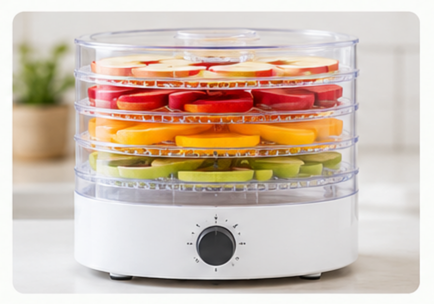
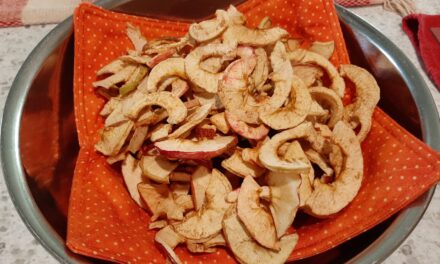
You’ve washed, sliced, and dehydrated your apples. They’re beautifully dried, naturally sweet, and ready to enjoy.
Now what?
One of the wonderful things about dehydrating food is that it allows us to preserve seasonal produce for months. But removing moisture is only half the process. How we store our finished food plays an equally important role in keeping it fresh and delicious.
Whether you’re preserving apples, vegetables, herbs, or other foods, a few simple storage habits can make a big difference.
Let’s explore how long dehydrated foods generally last, which containers work best, and how to recognize when something should be discarded.
Why Does Dehydrated Food Last Longer?
Fresh fruits and vegetables contain a significant amount of water. That moisture allows bacteria, yeasts, and molds to grow, eventually causing food to spoil.
Dehydrating removes enough moisture to make it much harder for these microorganisms to grow.
It also slows some of the natural chemical reactions that cause food to deteriorate.
But there’s an important distinction:
Dehydrating slows spoilage. It doesn’t sterilize food.
Dried foods can still deteriorate if they’re exposed to moisture, oxygen, excessive heat, or improper storage conditions.
That’s why drying your food thoroughly and storing it correctly go hand in hand.
How Long Do Dehydrated Apples Last?
Properly dried and stored apples can generally maintain good quality for approximately 6–12 months, depending on storage conditions.
Temperature is particularly important.
According to the National Center for Home Food Preservation, dried foods generally have recommended storage times ranging from four months to one year.
Dried fruit stored at approximately 60°F may maintain acceptable quality for up to a year. At 80°F, that storage time can be reduced to around six months.
This makes a cool pantry, basement storage area, refrigerator, or freezer preferable to a warm kitchen cupboard.
Remember that these are general quality guidelines, not guaranteed expiration dates.
How Long Do Other Dehydrated Foods Last?
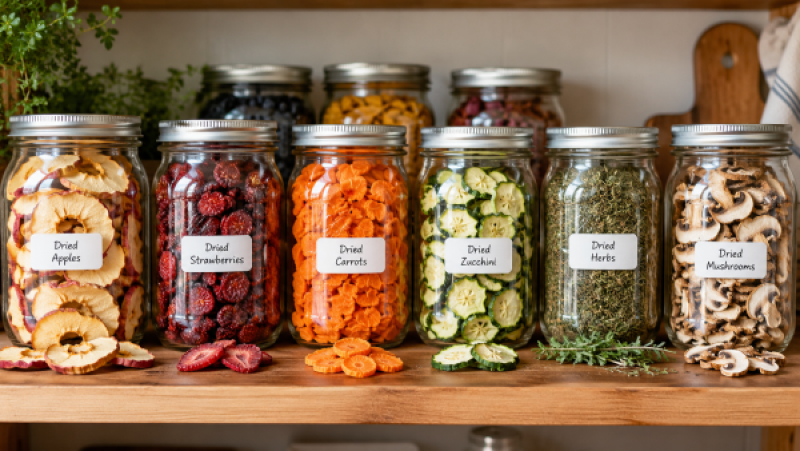
Different foods have different storage characteristics. Their original moisture content, fat content, preparation, drying method, and packaging all influence how long they remain in good condition.
Here’s a simple reference chart for home-preserved foods.
Dehydrated Food Storage Chart
Food
General Storage Guideline
Dried apples
6–12 months
Other dried fruits
6–12 months
Most dried vegetables
3–6 months
Dried herbs
About 1 year for best flavor
Homemade fruit leather
About 1 month at room temperature
Homemade jerky
Up to 2 weeks at room temperature when safely prepared
These are approximate planning guidelines for properly prepared foods, not universal safety deadlines.
For longer storage, refrigeration or freezing may help preserve quality.
A special note about jerky: Meat requires specific food-safety preparation and heating procedures before and during dehydration. Simply drying raw meat until it looks finished isn’t enough to ensure its safety.
Before You Store Your Apples, Try Conditioning!
Here’s a step that many overlook.
Even when your apple slices appear completely dry, some pieces may still contain slightly more moisture than others.
Conditioning helps distribute that remaining moisture evenly and allows you to check whether additional drying is needed.
How to Condition Dried Apples
Allow your dehydrated apples to cool completely.
Place them loosely in a clean, dry glass jar, filling it approximately two-thirds full.
Close the jar and let it stand for 7–10 days.
Shake the jar daily to separate the pieces and redistribute moisture.
Check carefully for condensation or moisture collecting inside.
If condensation appears, return the apples to the dehydrator for additional drying. If you discover mold, discard the affected food.
Once your apples have completed conditioning without signs of moisture, they’re ready for packaging and storage.
The Four Biggest Enemies of Dried Food
To keep dehydrated foods in good condition, protect them from four things:
1. Moisture
Moisture is the biggest concern. If dried food absorbs enough water from the surrounding environment, mold and other spoilage microorganisms may begin growing.
2. Oxygen
Exposure to oxygen can contribute to oxidation, affecting flavor, color, and certain sensitive nutrients.
3. Heat
Higher storage temperatures accelerate quality deterioration. Even properly dried food may lose flavor, color, and nutritional value more quickly in a warm environment.
4. Light
Prolonged exposure to light can contribute to color changes and the breakdown of certain food components.
The ideal storage location is cool, dry, dark, and protected from temperature fluctuations.
What Are the Best Containers for Dehydrated Food?
You don’t need an elaborate storage system to preserve your dried apples and vegetables.
The most important thing is choosing clean, dry, food-safe containers that protect against moisture.
Here are several useful options:
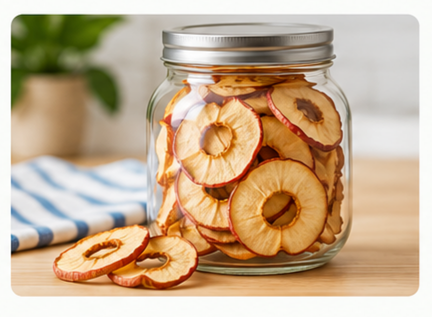
1. Airtight Glass Jars
Glass canning jars with tight-fitting lids (Mason jars) are one of my favorite choices for everyday storage.
While they do take up more space than, say, a plastic bag, they’re reusable, easy to clean, and, like a plastic bag, allow you to see what’s inside.
They’re especially convenient for dried apples, herbs, and vegetables you plan to use regularly.
Keep clear jars in a dark cupboard to reduce light exposure.
2. Vacuum-Sealed Bags
Vacuum sealing removes much of the air surrounding your food, helping reduce exposure to oxygen.
This can help preserve flavor and quality, particularly when storing dried foods for longer periods.
However, vacuum sealing does not make moist or improperly dried food safe.
Always make sure your food is thoroughly dried and cooled before sealing.
3. Food-Grade Mylar Bags
Mylar bags provide protection against light and, when properly sealed, can provide a useful barrier against moisture and oxygen.
They’re particularly convenient for dividing large batches into smaller storage portions.
Oxygen absorbers may be suitable for appropriately dried, low-moisture foods, but should never be used to compensate for incomplete drying.
4. Freezer-Safe Containers
If you live in a warm or humid climate, freezing properly dried food can help maintain its quality for longer.
Before opening a frozen package, allow it to come to room temperature while still sealed. This helps reduce condensation on the food.
5. Freezer Bags
Freezer bags are perfectly fine for storing dehydrated foods, especially if you’re planning to use them within a few months.
In fact, heavy-duty, food-grade freezer bags are a practical, inexpensive option for home food preservation.
For longer storage, freezer bags can also be placed directly in the freezer. Use them instead of thinner plastic sandwich bags.
A Few Extra Tips for Better Dehydrated Apples
A few small habits can help protect all the work you’ve put into dehydrating your food.
Cool before packaging. Warm food can create condensation inside sealed containers.
Consider conditioning. Place cooled dehydrated food in an mason jar and shake daily for 7 days, looking for moisture. Return to the dehydrator for a bit to remove moisture.
Store smaller portions. Opening one small jar repeatedly is better than exposing an entire large batch to moisture and air.
Label everything. Include the food name and the date it was dehydrated.
Use older batches first. A simple first-in, first-out system helps prevent forgotten jars from sitting in the pantry.
Check your food periodically. Look for unexpected moisture, condensation, mold, or unusual changes.
A little organization goes a long way toward reducing food waste.
How Can You Tell If Dehydrated Food Has Gone Bad?
Even properly stored dried foods should be checked before eating.
Watch for:
Visible mold or fuzzy growth
Condensation inside the container
Unexpected moisture or dampness
Unusual or unpleasant odors
Evidence of insect activity
Unexpected changes in texture or appearance
Some darkening and gradual flavor changes can occur naturally during storage, but suspicious changes deserve your attention. If you discover mold, discard the affected batch rather than attempting to remove only the visibly moldy pieces.
And remember, harmful contamination isn’t always visible or detectable by smell. When in doubt about how food was prepared or stored, it’s safer to discard it.
Does Dehydrated Food Lose Nutrition During Storage?
Yes, some nutrients can gradually decline during storage, even after the food has been properly dehydrated.
Vitamin C and certain antioxidant compounds are particularly sensitive to oxygen, light, and temperature.
Fiber and minerals are generally more stable.
This is another reason to store dried food somewhere cool and dark, use airtight packaging, and avoid keeping it indefinitely.
Dehydrating is a wonderful preservation method, but the goal isn’t to make food last forever. It’s to preserve its quality long enough for us to enjoy it.
Final Thoughts
There’s something satisfying about opening a jar of homemade dried apples months after the harvest.
It’s a little reminder that preserving food doesn’t have to be complicated.
Dry your food thoroughly, condition your fruit, choose a good container, and keep everything somewhere cool, dry, and dark.
Those simple habits help protect the time, effort, and goodness you’ve put into every batch.
And perhaps best of all, they help turn seasonal abundance into something you can enjoy long after the season has passed.
Used for: Recommended storage times, the effects of temperature, conditioning dried fruit, suitable packaging, moisture prevention, and recognizing spoilage.
2. National Center for Home Food Preservation. Fruit Leathers.
Includes 7-Page Worksheet, 10-page Guide, and Bonus 2 Self-Care Tracker pages and a Journal Page. 20 Printable PDF pages - instant download.Available through Kit.com